
England, Iterated
Jane Austen and John Le Carré

One of the great delights of TV (and radio and film) adaptations is the way repeated fishing in the pool of British actors throws up characters who seems to echo between fictional worlds. It’s one thing to see an actor being cast in the same sort of role, like High Grant’s run of hapless romantic leads, or Michael Jayston’s appearances as spies. But it’s somehow more entertaining when they’re playing characters who already existed prior to the show.
This has happened to an entertainingly exceptional degree in adaptations of Jane Austen and John Le Carré. These two most English of novels no doubt have a certain amount in common. Their focus on the small details of social life and social class; their plots with rely so heavily on the placing and misplacing of trust; the characters who have to deduce what has been happening out in the field from the limited information available to them. They were also adept at producing a very textured “world”, a particular vision of Britain with its own atmosphere and style. Nonetheless, I think most people would see those worlds as rather different.
But due to whatever coincidence, industry synergies or similar status as “classic English writers”, adaptations of Austen and Le Carré give the impression that the same group of people lived several centuries apart and found themselves caught up in two different kinds of drama. Rather like this:
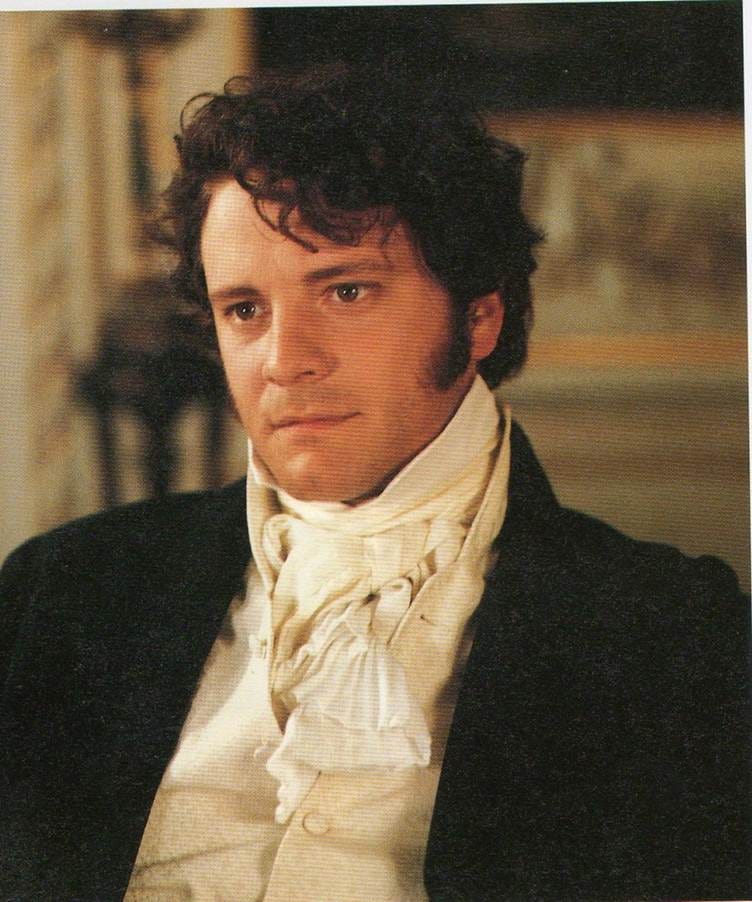
We neither of us perform to strangers. After all, this is not a Circus.
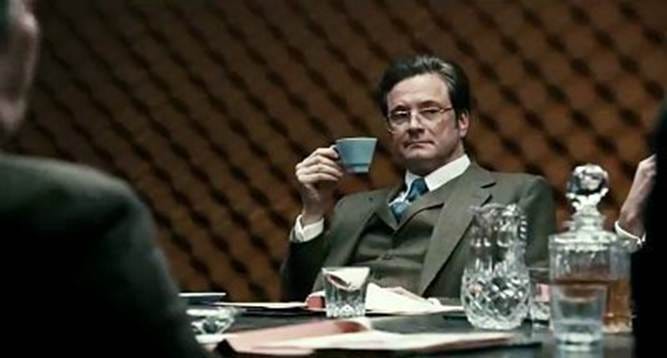
Here he is, meditating on the very great pleasure which a pair of fine eyes can bestow in the confines of a secure reading room.
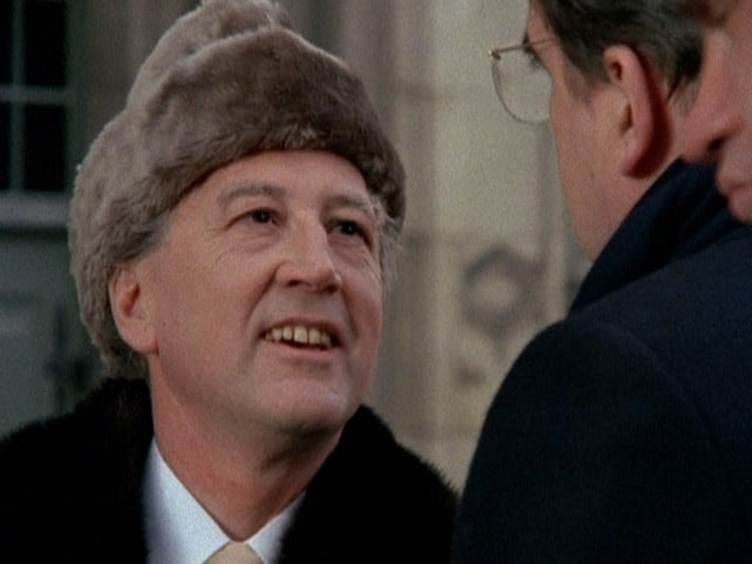
You come around suggesting a fellow has snow on his foots, that’s a damn strange way to behave. All this snow about, you might catch a bad cold, you know?
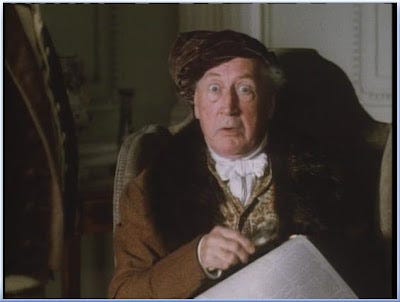
He is very well here, you see, with a small fire, obligingly lit by some lamplighters who wished to dispose of a document or two.

He is pleased to inform you that Lady Catherine was in excellent health only eight days ago. No nasty unforeseen accidents befalling our noble patroness, old son, not on your proverbial.
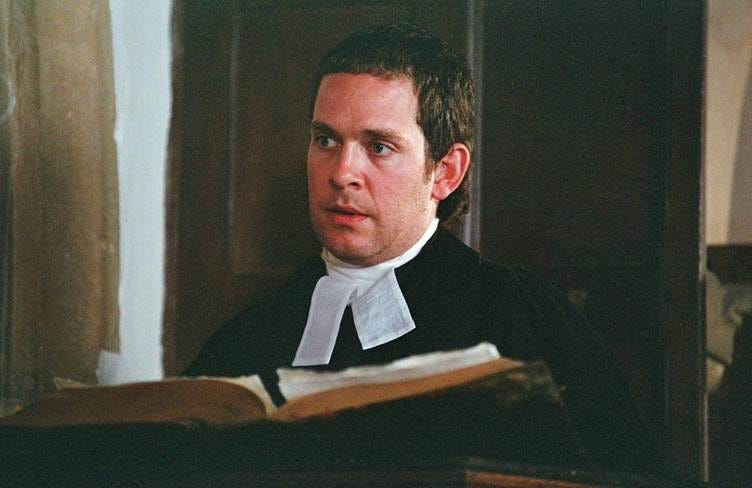
What is this, saith the Psalmist, it is THE SEA. There go the ships: there is that leviathan, whom thou hast made to play therein. And this poses to us that same question which was put to Job. Canst thou draw out leviathan with an hook? or his tongue with a cord which thou lettest down? Canst thou serve him in your fishy restaurant? Leviathan IS LAUGHING AT YOU!

Try.
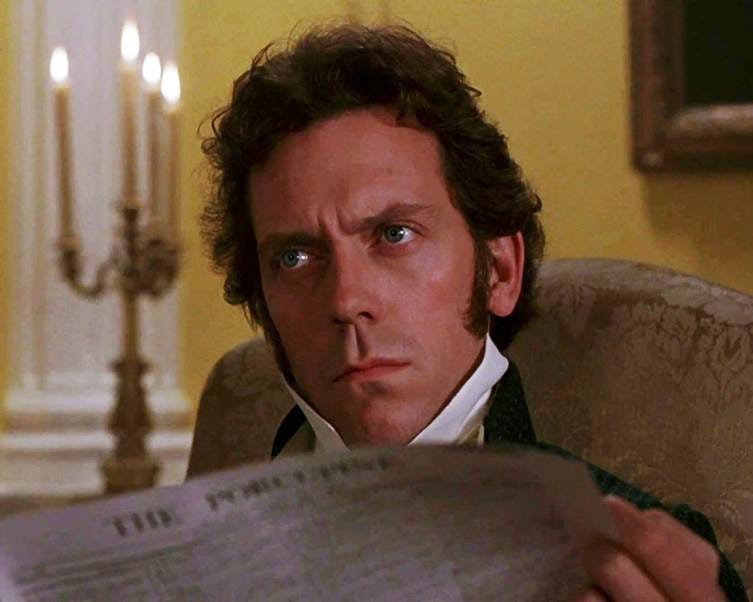
And he has worn the knee-breeches and gaiters in his time, so don’t feel you have to talk too pretty.
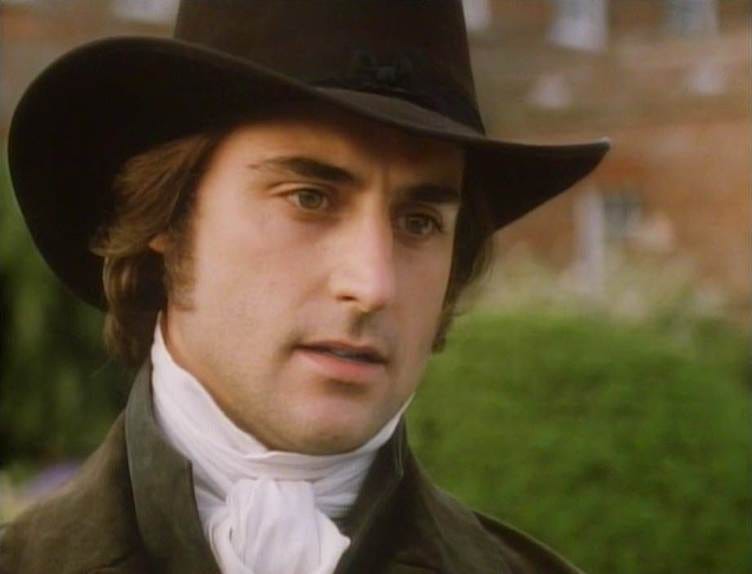
To get his operational budget cut?! The encoding of the secure communication was badly done, badly done indeed.

If he loved England less, he might be able to talk about it more.
Haha, what fun! For me it's the crossover between Austen (and other period dramas) and the Golden Age detective series. I just did this exact same type of post over on Instagram featuring Jane Austen + the Joan Hickson Marple adaptations—though with far less witty captioning. https://www.instagram.com/elisabethgfoley/p/DYh3eNOlGKD/